Marstall
Spaten · 4,200 seats · Elegant, modern with horse motif
Brewery
Spaten
Seats
4,200
Beer (1L)
15.3 EUR
Category
Large Tent
About Marstall
Those gleaming copper beer taps shaped like horse heads immediately tell you this isn't your grandfather's Oktoberfest tent. The Marstall opened in 2014 as part of the Theresienwiese modernization, replacing the smaller Hippodrom tent with something that landlord Siegfried Able calls "equestrian elegance meets Bavarian tradition." Inside, the equestrian theme dominates without being kitschy. Hand-carved wooden horses gallop across the tent's support beams, while vintage saddles and riding equipment create intimate booth dividers. The central feature - a working carousel with life-sized horses - slowly rotates above the main bar, casting moving shadows across the 4,200 seats below. Unlike traditional tent layouts, Marstall uses tiered seating sections that create better sightlines but can make late arrivals feel isolated in the upper reaches. The kitchen here outperforms most Oktoberfest operations. Their Schweinebraten mit Semmelknödel (€18.50) uses heritage Mangalitsa pork, while the Wiener Schnitzel (€24.80) rivals what you'd get at Tantris. Executive chef Martin Blunck trained at Michelin-starred restaurants, and it shows. The Apfelstrudel (€8.90) gets made fresh every two hours - ask your server when the next batch comes out. Best time to visit? Tuesday through Thursday between 4-6 PM when the business crowd hasn't arrived yet but the atmosphere has warmed up. The tent attracts Munich's young professionals and tourists seeking Instagram moments, making it brilliant for networking but exhausting if you want authentic Gemütlichkeit. Reserve through their official website or prepare for disappointment - this place books solid by May.
Highlights
- Horse carousel theme
- Elegant design
- Good cuisine
Vibe & Atmosphere
Elegant, modern with horse motif
Sources: oktoberfest.de, muenchen.de, stadt.muenchen.de
Frequently Asked Questions About Marstall
What beer is served at Marstall?
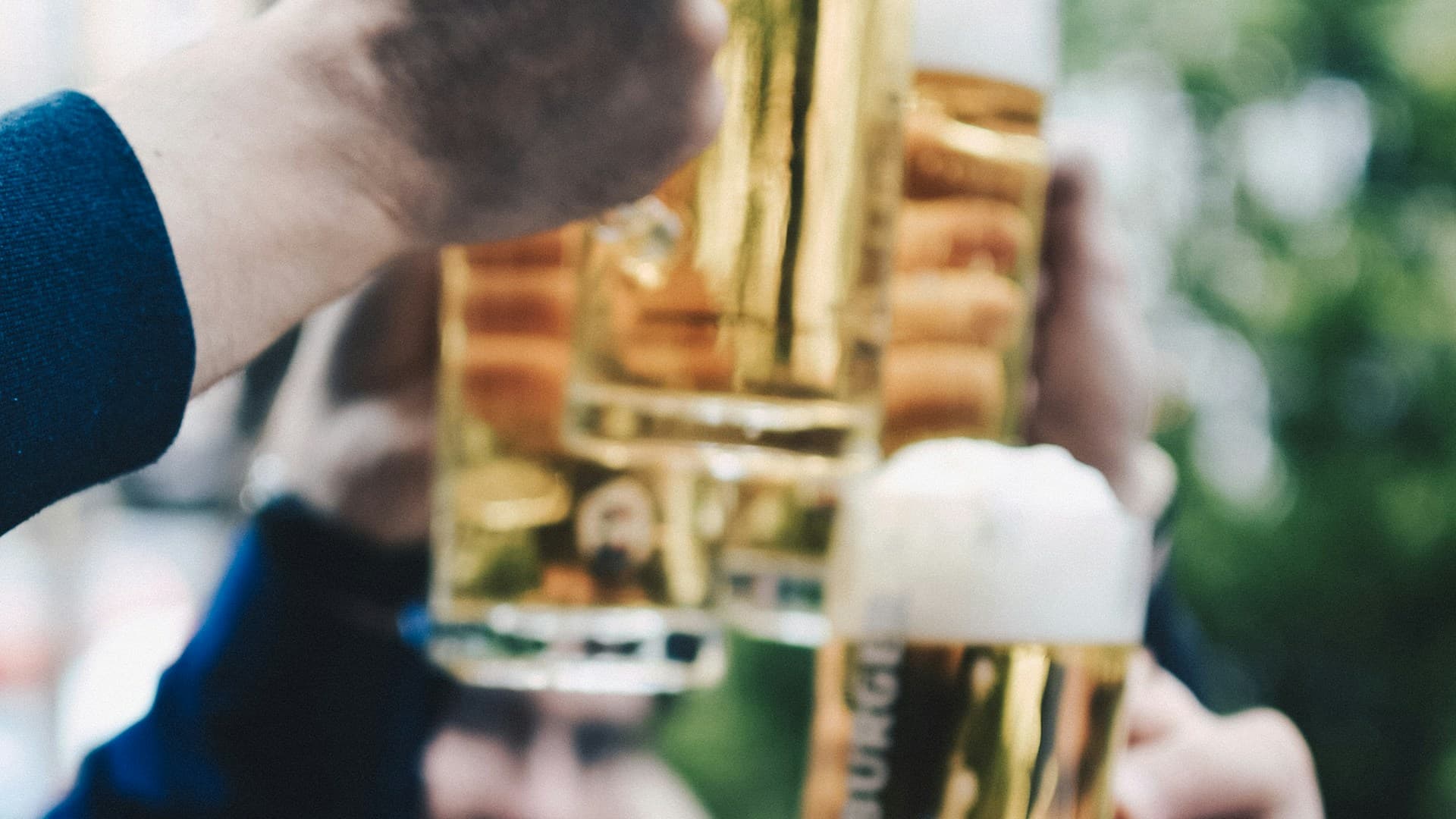
Spaten Oktoberfest-Märzen here tastes cleaner than at other tents because they invested in premium tap systems with temperature control. The beer pours with a thick, creamy head and delivers malty sweetness with subtle hop bitterness - at 5.9% alcohol, it's standard strength but exceptionally smooth. They serve exclusively from pressurized kegs, never wooden barrels, which some purists criticize but ensures consistency.
How many seats does Marstall have?
Total capacity splits between 2,800 indoor seats and 1,400 in the beer garden, though the garden closes during bad weather. The VIP boxes on the mezzanine level fill first with corporate groups, while families gravitate toward the quieter sections near the kitchen. Late arrivals should try the standing areas around the carousel bar - servers actually prefer these spots since tips are better from people who haven't settled in yet.
How much does a beer cost at Marstall?
Beer costs €15.30 per Maß, matching the premium tent tier, while main dishes range €16-28 with their famous Schweinebraten at €18.50. Most locals round up to the nearest euro, though business diners often tip 10-15%. They accept cards and cash, unusual for Oktoberfest. Budget €60-80 per person for a full evening including food, beer, and reasonable tipping.
How do I get a reservation at Marstall?
Reservations are moderately difficult - easier than Hofbräu but harder than smaller tents. Bookings open in February with a €25 per person minimum spend (excluding drinks). If you strike out, try showing up Tuesday-Thursday before 5 PM when corporate bookings haven't claimed all tables yet. Their side entrance near the Oide Wiesn often has shorter queues than the main door.
What is the atmosphere like at Marstall?
Morning hours feel like an upscale restaurant with quiet conversation and clinking cutlery. By 7 PM, the Blasmusik kicks in and the carousel starts turning, transforming the space into proper festival mode. The crowd skews younger and more international than traditional tents - you'll hear more English and Italian than Bavarian dialect. The music rarely gets deafeningly loud, making this ideal for business meetings or dates.
Related Content
Food & Drinks — Beers & Drinks (en)
Non-Alcoholic Drinks
Learn moreeditorialFood & Drinks — Beers & Drinks (de)
Alkoholfreie Getränke
Learn moreeditorialHomepage Content (en)
Your Ultimate Oktoberfest Guide 2026 Everything you need to know about Oktoberfest in München — beer tents, hotels, what to wear, nightlife, budget tips and ins...
Learn more